Updated October 2026 · 6-minute read
If you are an interventional psychiatry or mental health practice owner trying to fill your active Transcranial Magnetic Stimulation (TMS) chairs, you’ve likely been told that Google is the only place that matters. The common marketing narrative says that because Google captures “high intent,” that’s where your ad dollars belong. As a result, most clinics leave platforms like Facebook and Instagram completely out of the conversation.
But at PilotPractice, we view this as a massive, multi-million-dollar industry blind spot. Working with dozens of psychiatric clinics, we have found that scaling your clinical volume through meta ads for tms consistently delivers some of the highest-volume, lowest-cost patient acquisition results in healthcare marketing.
In our core operational framework, TMS Marketing Strategy: How to Overcome Generic Medical Ad Failures and Fill Your Treatment Chairs, we broke down why treating advanced treatments like standard mental health care is a recipe for empty chairs. Real growth requires a synchronized ecosystem. And inside that acquisition ecosystem, running dedicated campaigns on Meta serves a psychological purpose that Google simply cannot replicate: They don’t just capture existing demand; they actively create it.
Here is our agency’s operational blueprint for structuring high-conversion Facebook and Instagram ad campaigns for your neurostimulation clinic.
TL;DR
- Most TRD patients do not know TMS exists; Meta creates that demand inside a 20–30-minute radius.
- Two creatives carry the campaign: a provider explainer by the chair and patient testimonials.
- Viewers search your practice name afterwards, so run a drive-time Google campaign alongside.
1. Shifting from Capture to Creation: The Meta Ads Advantage
The fundamental problem with relying strictly on Google Search for your clinic’s pipeline is that the vast majority of people struggling with Treatment-Resistant Depression (TRD) have absolutely no idea what TMS even is. They don’t know that an FDA-approved, non-invasive, insurance-covered magnetic treatment exists.
Because they don’t know it exists, they aren’t typing “TMS provider near me” into a search bar. They are stuck in an exhausting loop of trying, failing, and adjusting oral medications while feeling entirely hopeless.
The Interruption Factor
Facebook and Instagram advertising networks operate as discovery platforms. Users are scrolling through their feeds to connect with friends or consume media; not to actively look for a psychiatric doctor. This gives you the perfect opportunity to implement a psychological pattern interrupt.
Instead of waiting for an educated patient to find your practice, launching targeted meta ads for tms allows you to geo-fence a tight 20-to-30-minute drive-time radius around your clinical facility and place an educational message directly in front of the local individuals who need it most. It bridges the structural gap between clinical obscurity and mainstream medical relief.
2. The Video Blueprint: Building Instant Trust Through the Screen
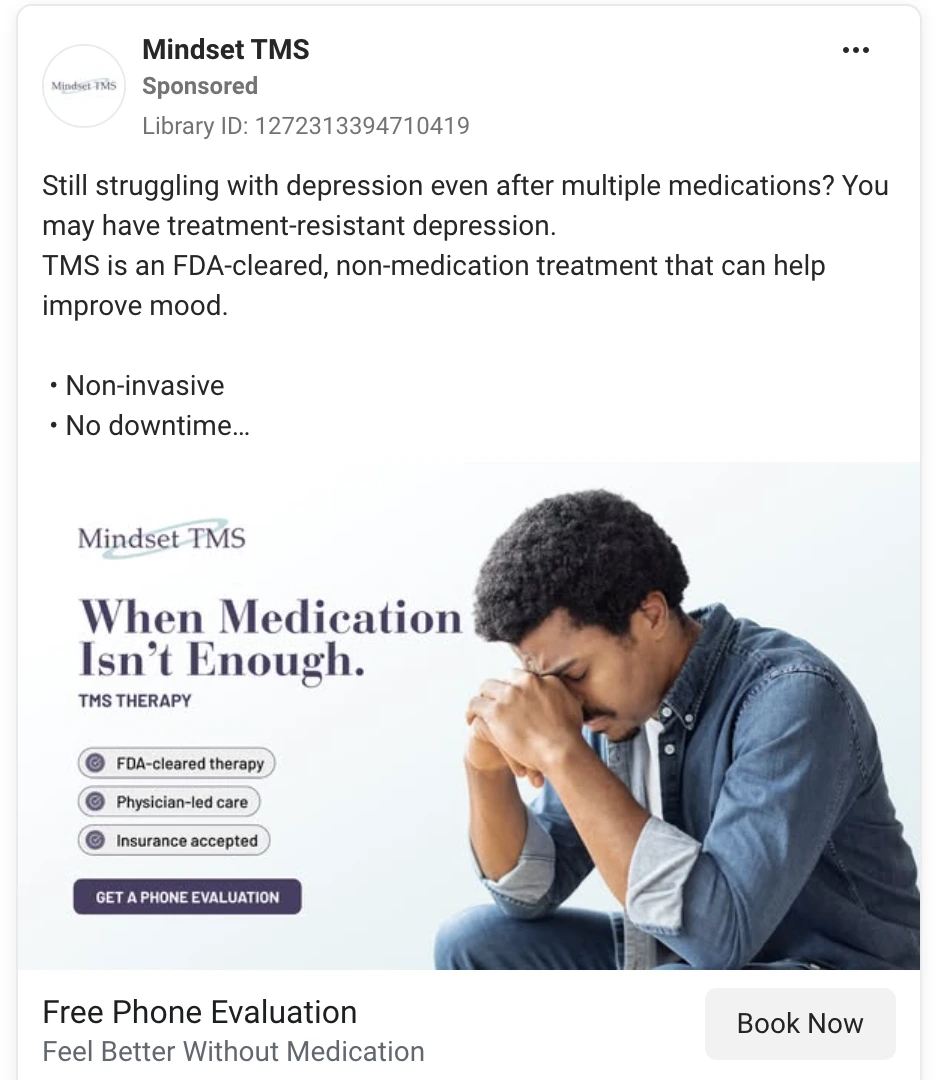
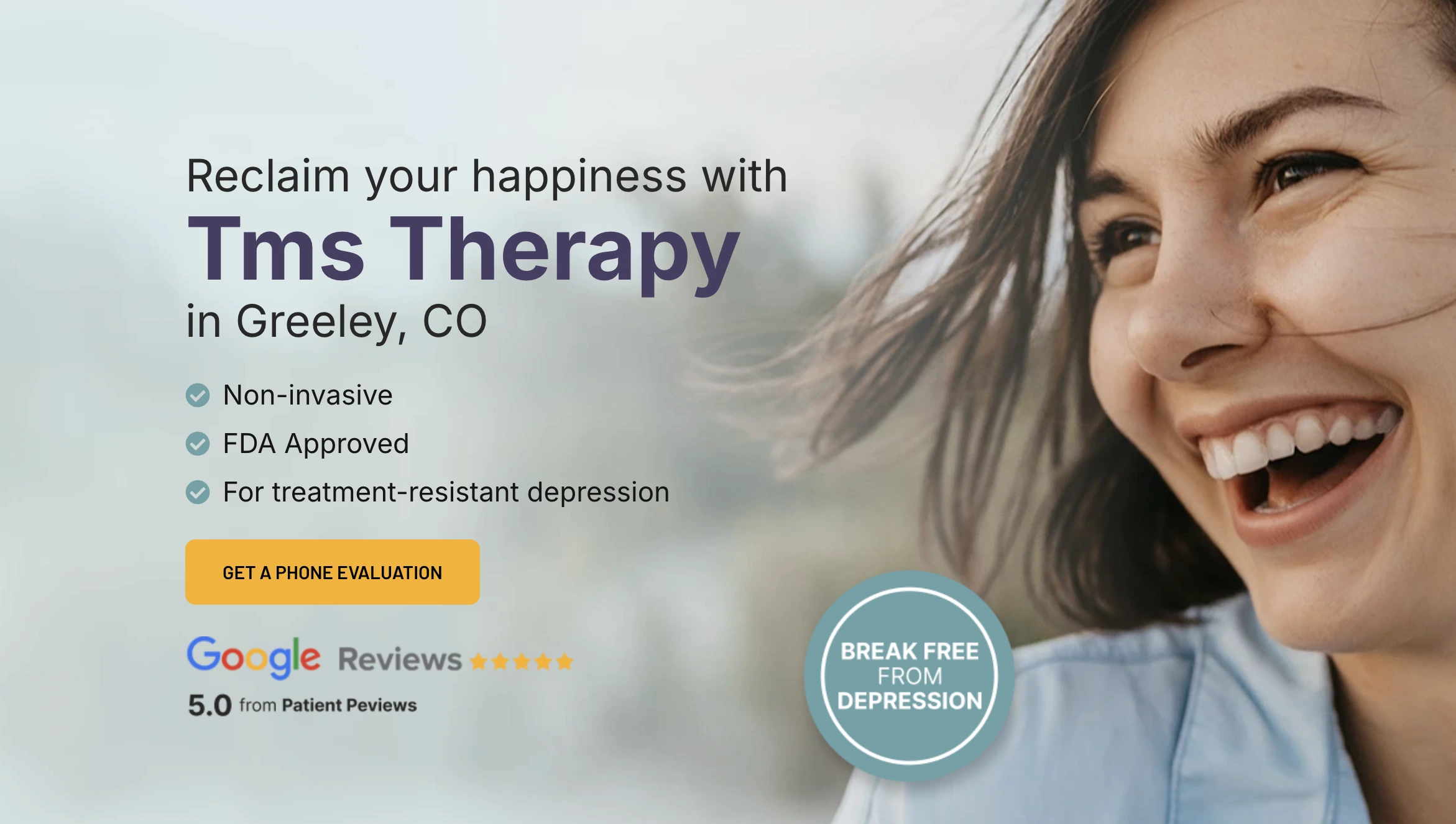
The single biggest mistake independent practices make when launching meta ads for TMS is running sterile, graphic-design templates featuring stock photos of cartoon brains, cold clipboards, or technical device diagrams. These look like cold corporate advertisements, and emotionally exhausted users scroll right past them.
Because neurostimulation involves placing a magnetic coil against a patient’s head, it can sound incredibly intimidating or scary to someone who has never seen the clinical setup. To convert a viewer, your ad creatives must metaphorically hold their hand through video education. Our most successful, high-performing Facebook and Instagram ad sets rely entirely on two specific creative video assets:
- Asset A: The Provider-Led Explainer (Instant Authority): We actively guide our clinic clients and their medical directors through recording raw, approachable, face-to-camera videos. The provider stands right next to the actual treatment chair, completely demystifying the technology. In a warm, benevolent tone, they explain exactly how magnetic pulses safely stimulate underactive areas of the brain, emphasize that it requires zero anesthesia or downtime, and explicitly state that patients can comfortably read, watch TV, or talk during the session. Seeing a real, local doctor speak empathetically completely strips away the “sci-fi” fear of the technology and builds immediate clinical trust.
- Asset B: Patient-Recorded Video Testimonials (The Emotional Proof): Nothing cuts through a depressed patient’s skepticism faster than hearing from someone who has survived the exact same emotional darkness. We deploy raw, vertical smartphone videos of graduated patients describing their recovery journey. When a local viewer hears a real person talk about the exact moment the “depression fog finally lifted” or what it felt like to escape the systemic, numbing side effects of anti-depressants, the emotional barrier to entry dissolves. It changes the conversation from a technical medical procedure to an authentic human outcome.
3. The Piggy-Back Effect: Why Meta and Google Ads Must Work Together
While running strategic paid campaigns on Meta is an absolute powerhouse for scaling your monthly volume, these funnels should never be run in total isolation. For optimum clinical ROI, your meta ads for tms must actively “piggy-back” off your paid search campaigns.
[Local Resident] ──> Sees Educational Meta Video Ad ──> Searches Your Practice Name on Google ──> Books via Sanctuary Layout
When a local user sees your educational video on Instagram, they might not click the ad and fill out your intake form immediately. They might be in public, commuting, at work, or simply distracted. However, a powerful seed of behavioral intent has been planted.
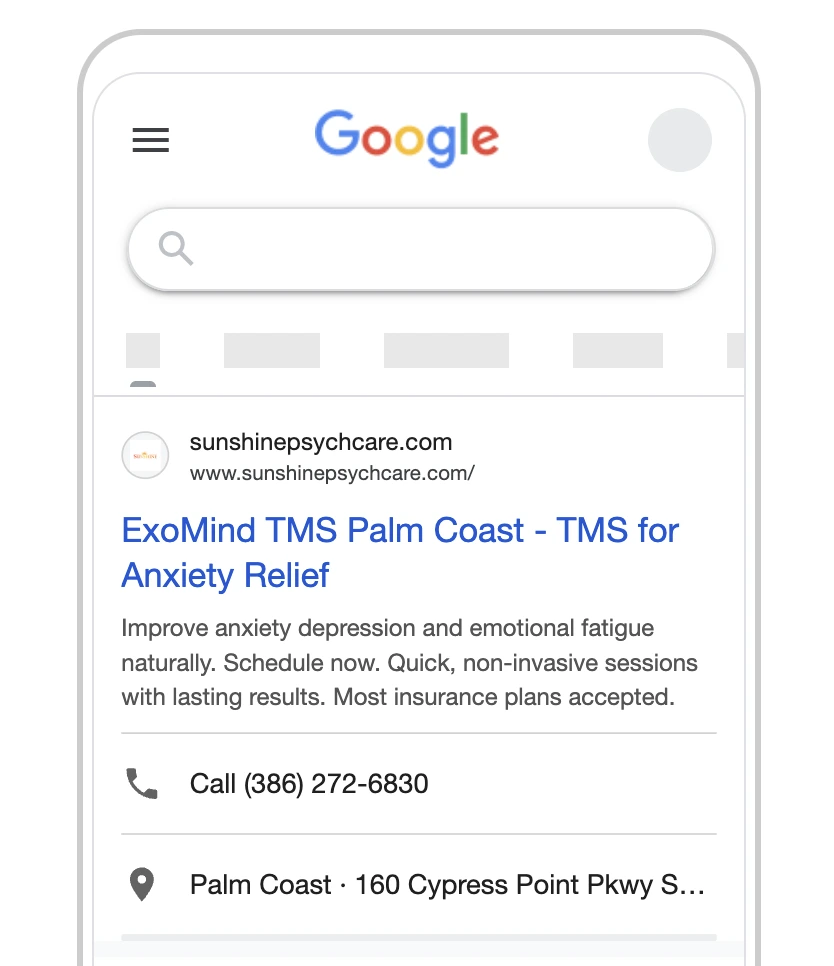
Later that evening, they will open Google and search for your specific practice name, or high-intent search terms like “NeuroStar treatment near me” or “TMS therapy in [Your City]”.
Closing the Loop
If your Google Ads for TMS and local search footprints aren’t completely optimized to capture that branded search traffic, your competitors will hijack the lead you just spent ad dollars to educate on Meta.
By running a tight, drive-time restricted search campaign alongside your social media assets, you perfectly close the loop. You catch every single drop of search intent generated by your disruptive video ads, ensuring your clinic completely owns the local marketplace.
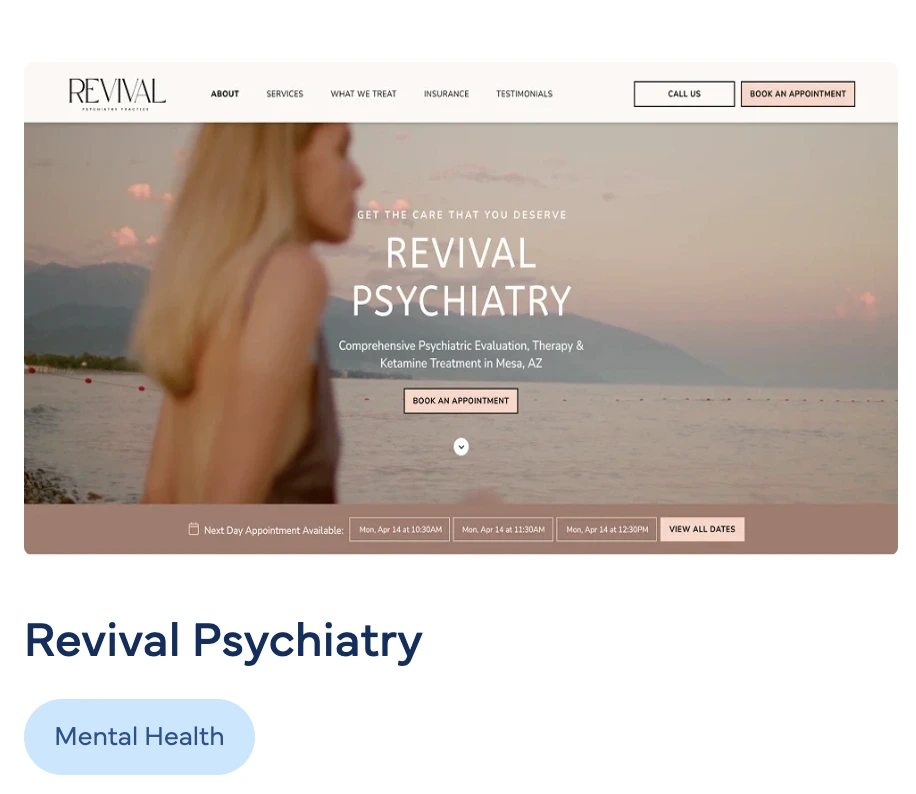
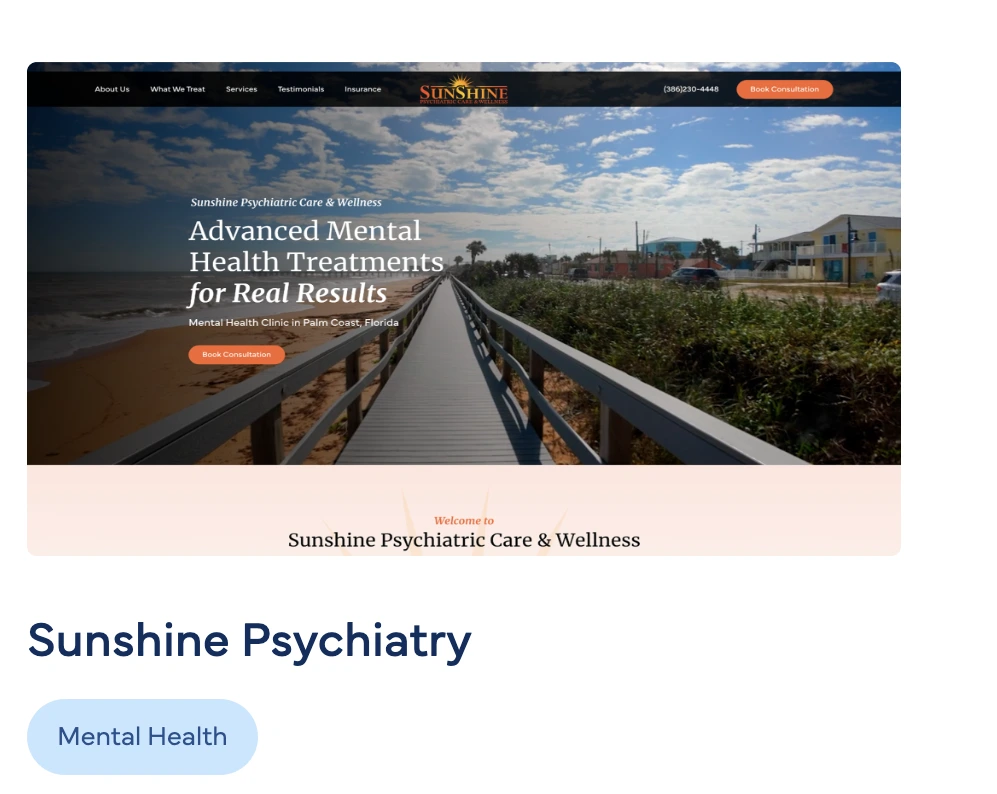
To see exactly how we align disruptive paid ad demand with elegant, high-conversion web architectures that welcome incoming traffic, review these live production layouts running for our active clients:
- Mindset TMS: View how they combine precise educational resources with warm, trusting design cues at Mindset TMS.
- Brain Health Solutions: Explore their optimized conversion path and distraction-free layout at Brain Health Solutions.
Premium Results in Interventional Mental Health Advertising
We don’t just build basic ad campaigns; we engineer full-funnel patient acquisition systems that consistently outperform general healthcare benchmarks. By combining precision local ad targeting with conversion-tuned web design and automated intake pipelines, we protect your practice margins and keep your treatment schedules consistently full.
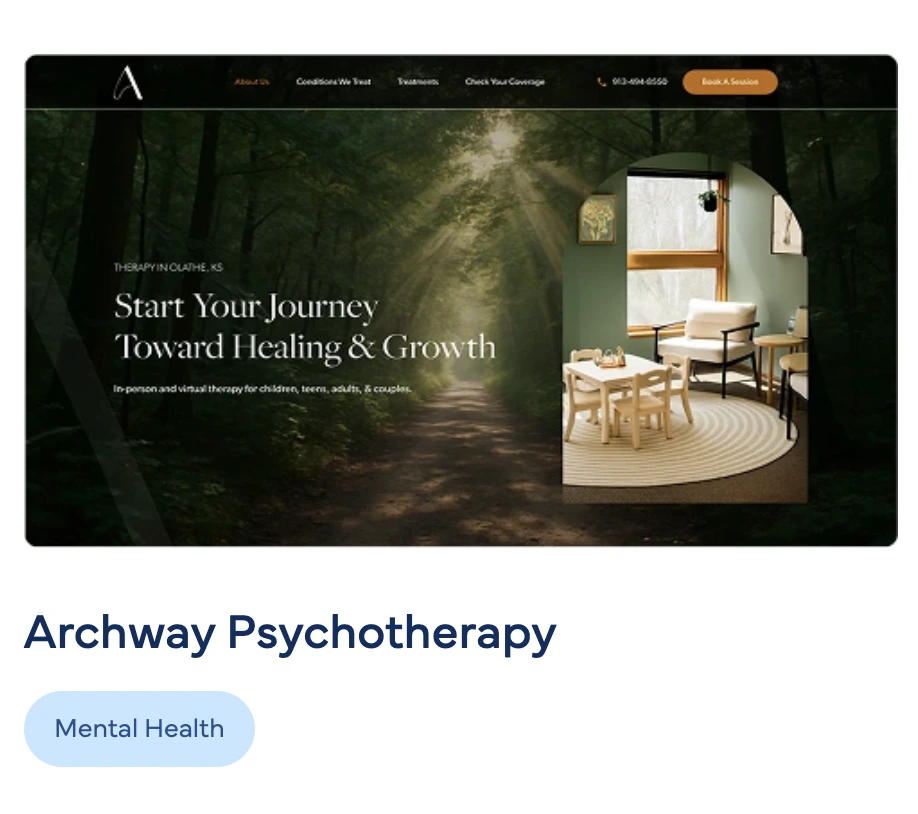
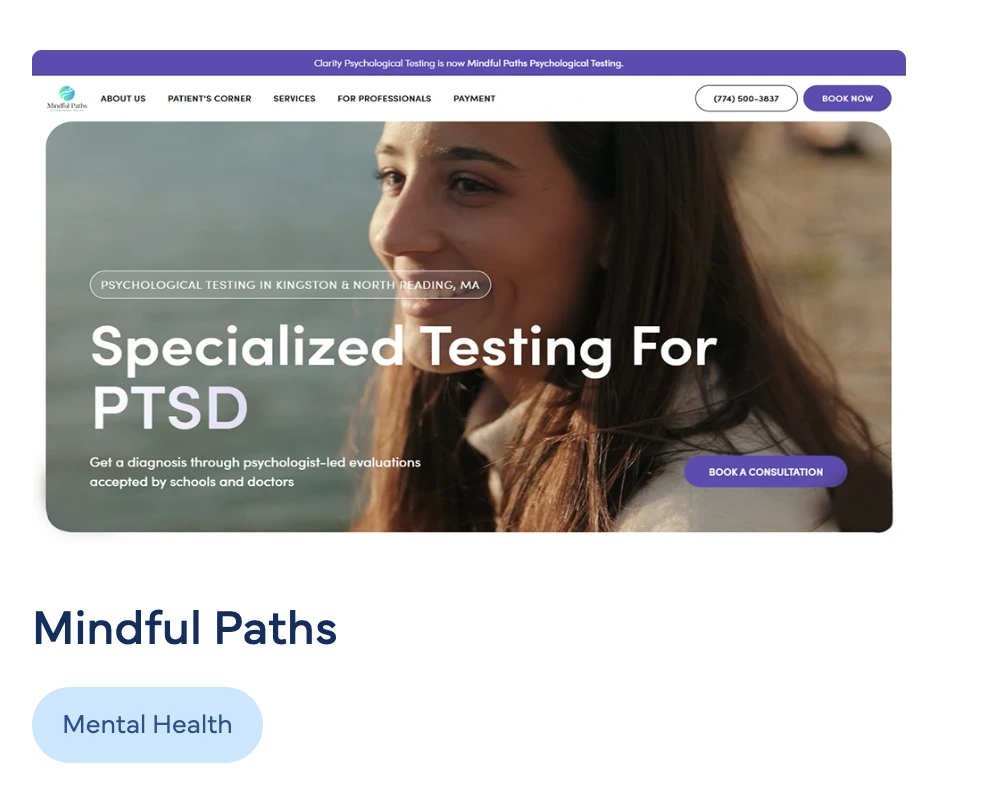
If you want to view the real operational data, local ranking milestones, and scaling histories we have generated for independent psychiatric and mental health clinics nationwide using specialized multi-channel frameworks, explore our comprehensive project portfolio:
 Explore Our Mental Health Marketing Case Studies Portfolio
Stop Waiting for Patients to Find You
If your current marketing agency is just setting up basic search keywords and waiting for the office phone to ring, your treatment chairs will stay empty. To capture market share, you have to actively educate your local community, break down the stigma surrounding advanced psychiatric technology, and show families a better path to long-term recovery.
At PilotPractice, we are experts in engineering multi-channel interventional psychiatry funnels. We lock down immediate searchers on Google, while deploying highly authentic, video-first Meta campaigns that build trust, shatter misconceptions, and fill your chairs predictably.
[Schedule a Free, Data-Driven TMS Campaign Strategy Session with Our Team Today]
Our Expertise in Mental Health: Therapy · TMS · Medication Management · Spravato / Ketamine