When a parent suspects their child is struggling with neurodevelopmental delays, they don’t casually browse for a doctor. They are often coming from a place of intense emotional exhaustion, dealing with stressful parent-teacher conferences, watching their child fall behind in school, or worrying about their child’s fragile self-esteem.
Because of this emotional weight, parents are vastly more thorough, critical, and careful when choosing a diagnostic provider for their child than they would ever be for themselves. They read every clinician bio, audit your Google reviews, and deeply scrutinize your digital presence.
If your approach treats an evaluation like a cold, transactional medical service, it will fail to connect. Scaling a specialized clinic requires a deep understanding of psychological testing marketing. To build a consistent pipeline of families, you must construct a dual-system ecosystem: capturing immediate search intent, validating it with educational storytelling, and anchoring the entire journey in an empathetic brand design.
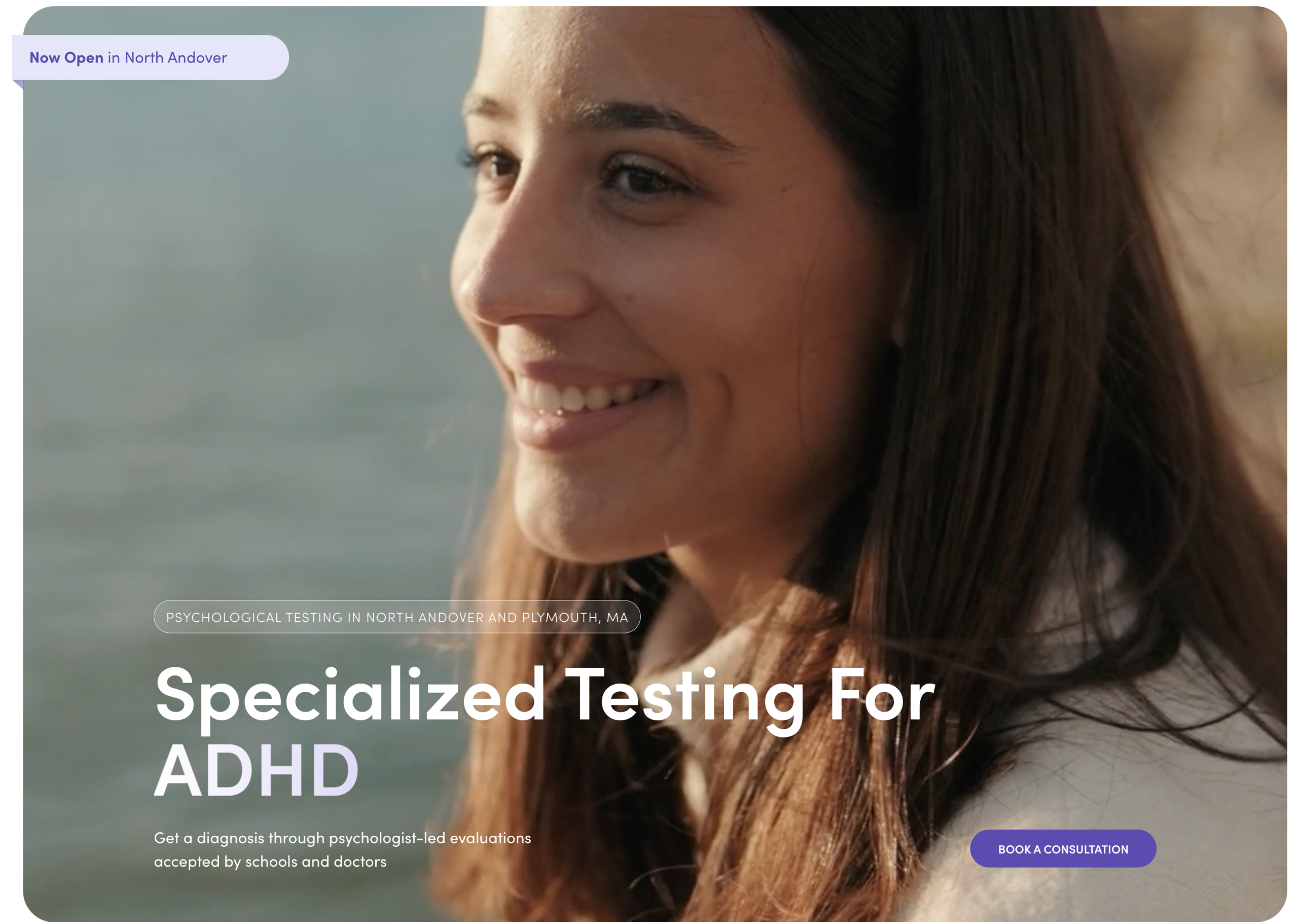
To see this exact framework executed at the highest professional level, look at Mindful Paths Psychological Testing. By positioning their practice to focus exclusively on ADHD and autism assessments, they have built an unshakeable niche authority moat that instantly disarms parental anxiety. Here is our agency’s strategic blueprint for executing high-converting ADHD assessment marketing.
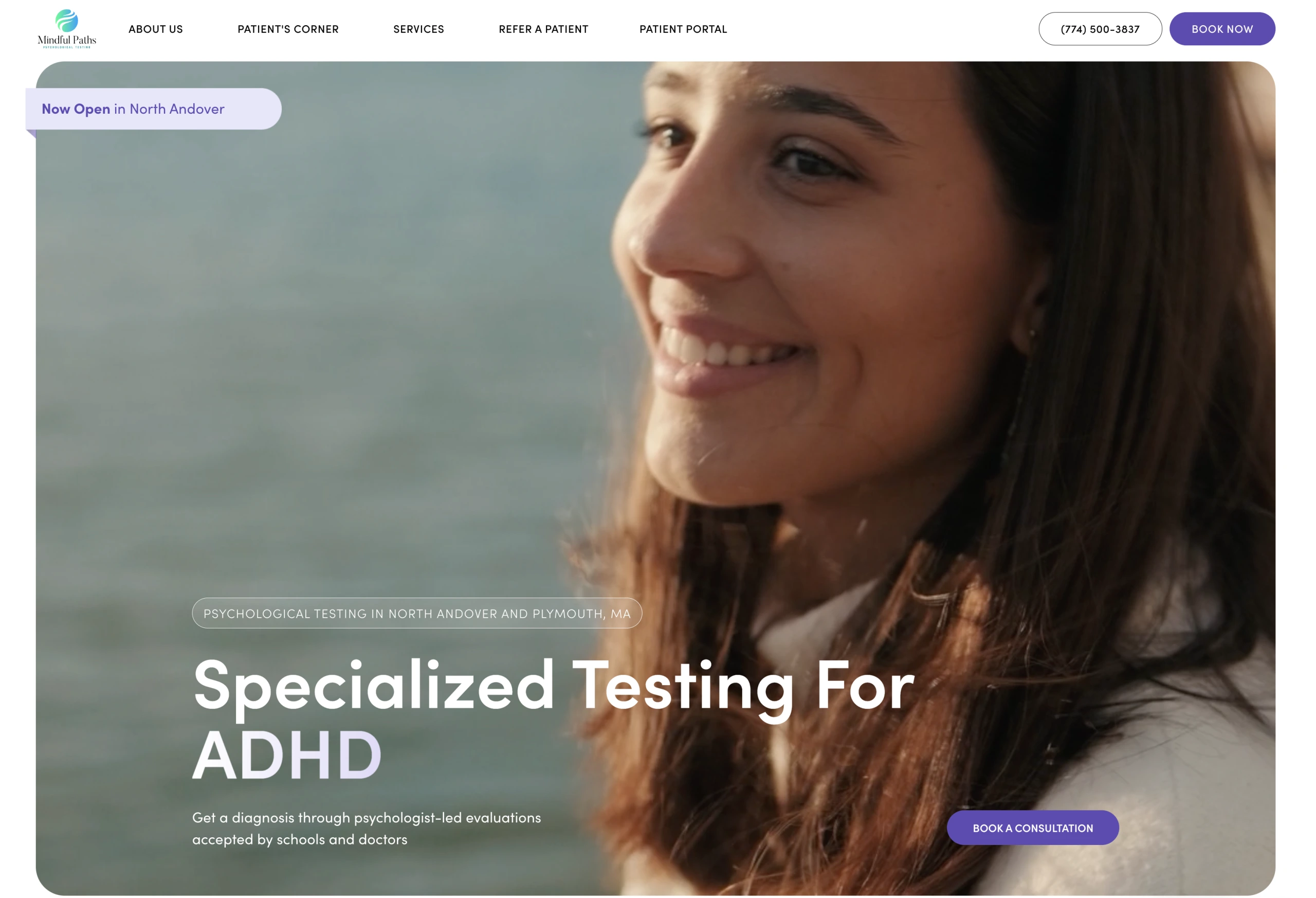
If a mother is looking for a specialist to evaluate her 7-year-old son, she will instantly bypass a generic psychiatric practice website that markets a massive, laundry list of adult mood disorders and general therapies.
The Niche Authority Moat
To flourish, your clinic must position itself as a dedicated, focused neurodevelopmental diagnostic center.
- The Copywriting Shift: Your website and ad landing pages should communicate one clear message: We understand the neurodivergent brain perfectly because it is our entire focus.
- The Trust Building Blocks: When a parent sees specialized content, like explicit breakdowns of how you test for executive dysfunction or how you distinguish between ADHD and standard childhood behavioral milestones, their protective anxiety transforms into relief. You aren’t just another clinic; you are an expert ally. This specialized positioning is the core driver of premium ADHD assessment marketing.

Unlike other mental health niches that favor one specific advertising platform, pediatric neurodevelopmental evaluations perform exceptionally well on both Google and Meta. However, they capture parents at two completely different stages of their emotional journey.
Google Ads: Capturing the Urgent Crisis
When a parent hits Google, they are looking for immediate answers, often right after a bad report card or a difficult school meeting.
- The Keywords: We target hyper-local, high-intent phrases like “child ADHD testing near me,” “pediatric neurodevelopmental assessment,” or “where to get a school ADHD diagnosis.”
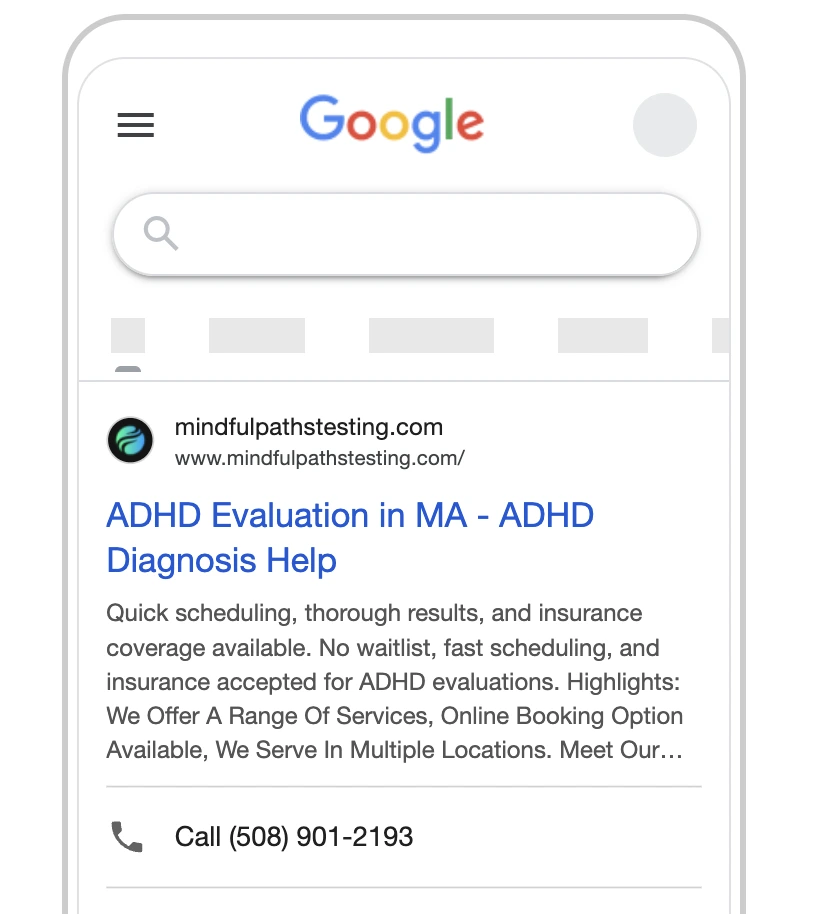
- The Strategy: The ad copy must focus on accessibility and clarity. Parents are often facing agonizing 6-to-12-month waiting lists at major children’s hospitals. Bidding heavily on your immediate availability (e.g., “ADHD Assessments – Scheduled Within 2 Weeks”) captures high-intent parents instantly.
Meta Ads: The Empathetic Validation Engine
On Facebook and Instagram, parents aren’t actively searching; they are looking for community and validation. They are scrolling through feeds, often feeling isolated in their parenting struggles.
- The Strategy: We use informational, symptom-based video ads. We guide your psychologists through recording soft, warm videos addressing common parental worries (e.g., “Is it just high energy, or is it ADHD?” or “3 signs your bright child is struggling with hidden executive dysfunction”).
- The Conversion Result: By educating the parent and validating their feelings without sounding corporate or transactional, you capture the massive pool of families who have been putting off an assessment due to fear of stigma or confusion about the testing process.

Because this is a branding-first play, your digital presence must act as a psychological sigh of relief for the parent. In psychological testing marketing, design functions as emotional signaling. If your website or ads use cold, clinical corporate blues, high-contrast text, or cold brain diagrams, you will trigger a defensive response.
The Warm Aesthetic Framework
We design high-conversion assessment funnels using a specific visual psychology:
- The Palette: Soft, grounded, and organic color schemes (muted sages, warm creams, gentle pastels) that visually calm the nervous system.
- The Message: The underlying tone across your Google Business Profile, ad creatives, and website must quietly whisper: “Your child is in safe hands, you are doing a great job as a parent, and everything is going to be okay.”
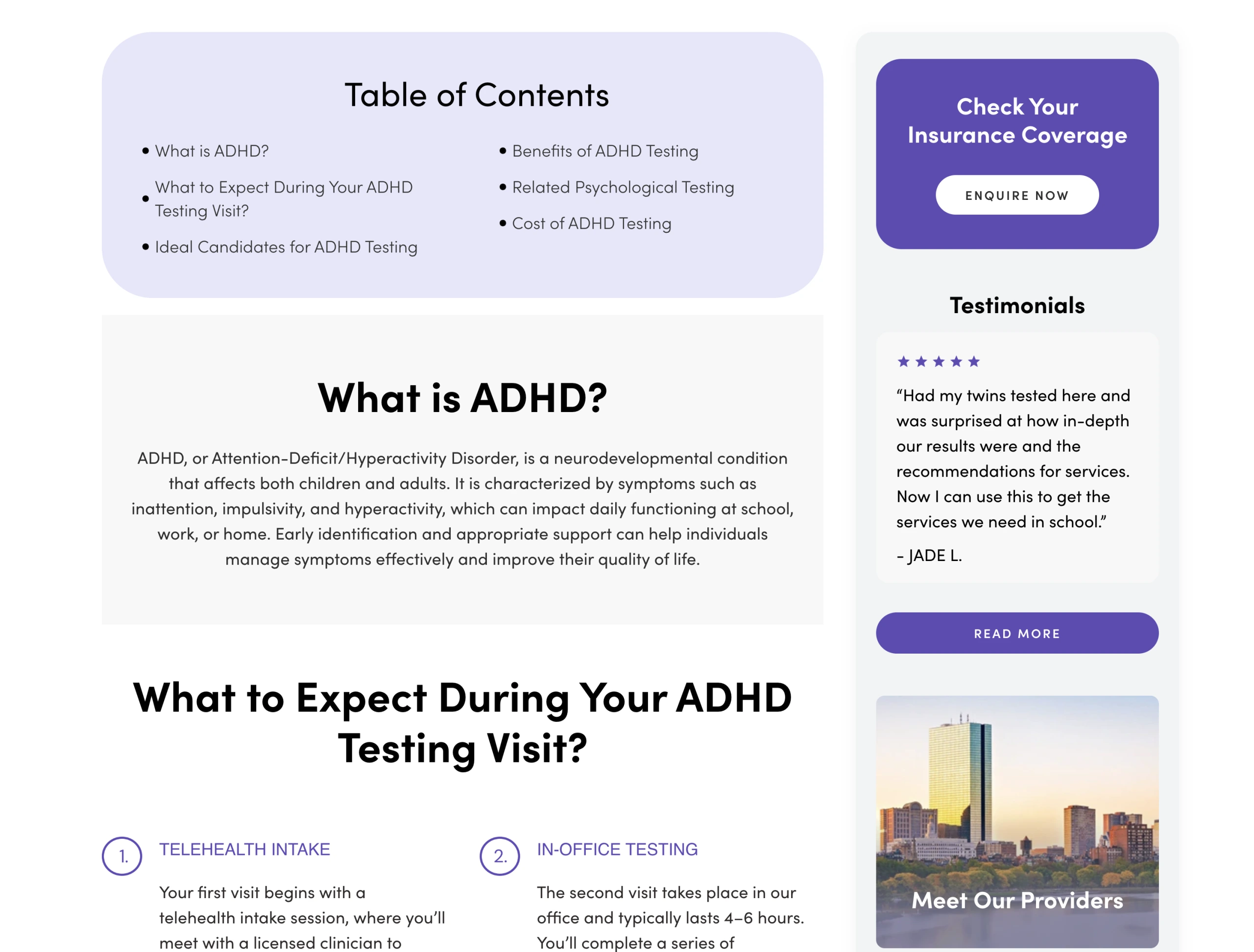
- Demystifying the Test: Parents are terrified their child will feel like a lab rat during a multi-hour evaluation. Your website must explicitly demystify the testing day using friendly, step-by-step visual roadmaps. Show images of warm, toy-friendly evaluation rooms, and explain that the assessment feels like interactive games and puzzles rather than a harsh, stressful exam.
We don’t just build marketing frameworks based on guesswork. We engineer end-to-end local patient pipelines that structurally reduce lead costs, protect your profit margins, and keep your specialists’ assessment calendars consistently full.
If you want to view the real operational data, local ranking milestones, and growth histories we have generated for diagnostic and behavioral health clinics nationwide, explore our comprehensive project portfolio:
Explore Our Mental Health Marketing Case Studies Portfolio
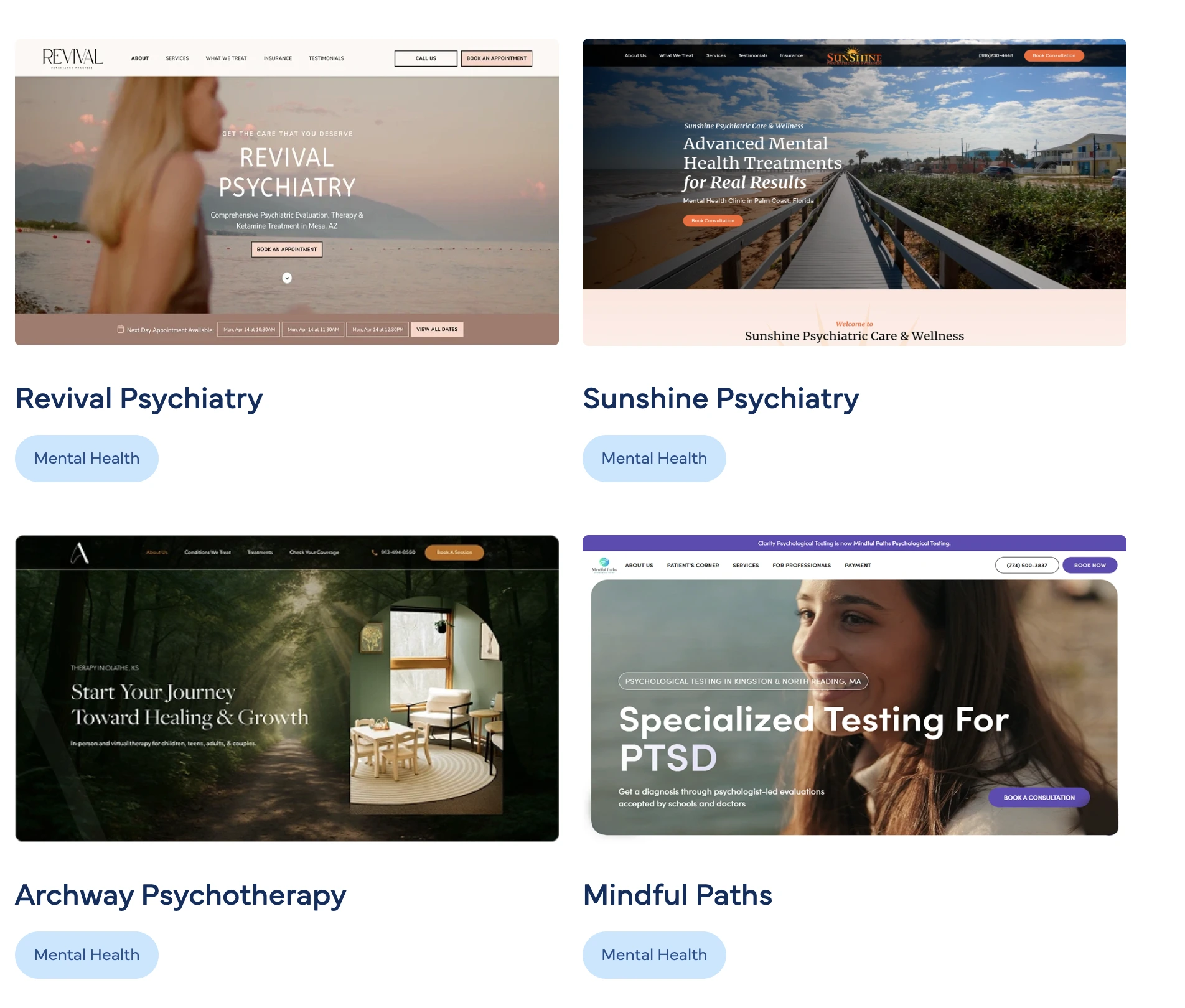 Pilotpractice’s Mental Health portfolio